
POWER (PWR) SERVICES
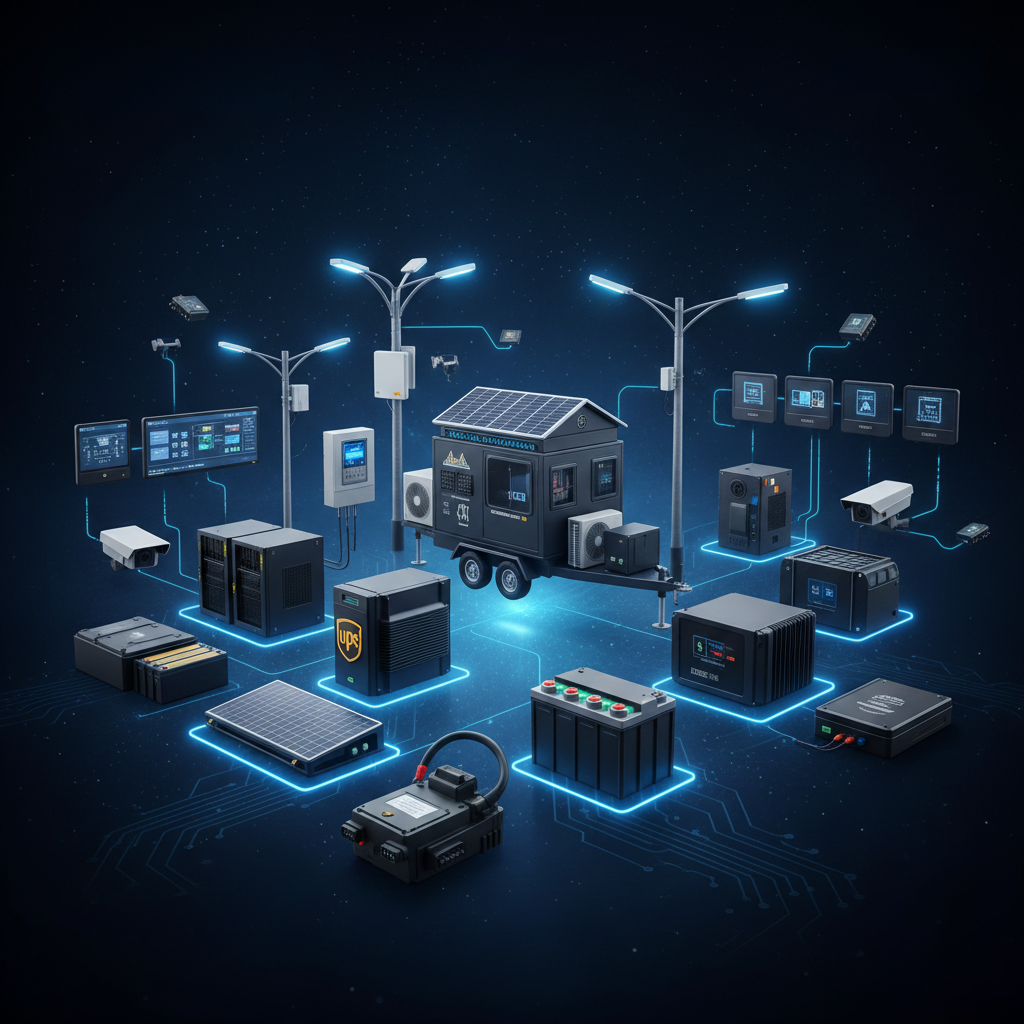
Telecommunication and critical infrastructure sites often face challenges such as power instability, generator fuel losses, battery degradation in harsh environments, and limited visibility into power system performance. These issues can lead to unexpected outages, service disruptions, increased operational costs, and reduced equipment lifespan.
OFBS telecom power solutions provide reliable, efficient, and resilient power infrastructure designed to ensure uninterrupted operations, optimize energy usage, and enhance network availability.
Telecom Power Services:
- DC Power System Installation – 48V and 24V power systems with N+1 redundancy configurations.
- Rectifier Systems – High-efficiency rectifiers with hot-swappable modules and intelligent management.
- UPS Solutions – Online double-conversion UPS systems for mission-critical applications.
- Battery Bank Systems – Long-life battery solutions engineered for demanding operating conditions.
- Automatic Transfer Switches (ATS) – Seamless power source switching for continuous operations.
- Telecom Power Integration – Hybrid AC/DC power architectures with intelligent load management.
- Power Distribution Units (PDUs) – Smart power distribution with remote monitoring and control capabilities.
- Backup Power Systems – Diesel, renewable energy, and hybrid backup power solutions.
- Shelter Power Integration – Complete power infrastructure for equipment rooms and technical facilities.
- Remote Site Power Systems – Remote monitoring and management for unmanned locations.
Key Benefits
- Improved power reliability and network uptime
- Enhanced energy efficiency and operational performance
- Reduced maintenance and operational costs
- Real-time visibility into power system health
- Optimized backup power management
Organizations are increasingly seeking sustainable energy alternatives to reduce operational costs, improve energy resilience, and minimize environmental impact. However, renewable energy projects often face challenges related to system integration, performance optimization, and long-term energy management.
OFBS renewable energy solutions deliver efficient, scalable, and sustainable power systems designed to support critical infrastructure, remote facilities, and enterprise operations.
Renewable Energy Services:
- Solar Power Systems – Design and deployment of high-performance photovoltaic energy systems.
- Hybrid Energy Solutions – Integration of solar, battery storage, grid, and generator power sources.
- Off-Grid Site Electrification – Complete renewable power systems for remote locations.
- Energy Storage Systems – Advanced battery storage technologies for reliable energy availability.
- Autonomous Renewable Sites – Self-sustaining power systems with remote monitoring capabilities.
- Green Energy Solutions – Sustainable energy strategies for reducing carbon emissions.
- Renewable Power Optimization – Performance monitoring and efficiency enhancement services.
- Smart Energy Monitoring – Real-time production, consumption, and system performance tracking.
- Solar Backup Systems – Grid-connected renewable systems with battery backup integration.
- Sustainable Infrastructure Solutions – Energy-efficient designs supporting environmental sustainability goals.
Key Benefits
- Reduced dependency on conventional fuel sources
- Lower energy and operational costs
- Improved energy resilience and reliability
- Reduced environmental impact
- Long-term sustainable infrastructure development
Modern facilities require robust electrical infrastructure to support growing operational demands, critical systems, and future expansion. Improper system design, inadequate power distribution, and non-compliant installations can result in downtime, safety risks, and reduced operational efficiency.
OFBS electrical infrastructure services provide end-to-end solutions for power distribution, facility electrification, and mission-critical environments.
Electrical Services:
- MV/LV Installation – Medium and low-voltage electrical infrastructure deployment.
- Transformer Installation – Oil-filled and dry-type transformer solutions.
- Underground Power Cable Installation – Installation of power cables with proper protection and routing.
- Electrical Panel Installation – Switchgear, distribution boards, motor control centers, and power panels.
- Power Distribution Systems – Reliable distribution architectures for industrial and commercial facilities.
- Cable Tray Installation – Structured cable management systems for power and communication networks.
- Electrical Room Setup – Complete electrical room design and integration services.
- Data Center Power Infrastructure – Redundant power architectures for critical facilities.
- Shelter Electrification – Turnkey electrical systems for technical and equipment shelters.
- Industrial Electrical Works – Motor control, automation power systems, and industrial installations.
Key Benefits
- Reliable and scalable power distribution
- Enhanced operational safety and compliance
- Reduced downtime and power-related disruptions
- Improved infrastructure efficiency
- Support for future expansion and modernization
Electrical faults, lightning strikes, power surges, and grounding deficiencies can cause severe damage to infrastructure, equipment, and personnel. Effective protection systems are essential for maintaining operational continuity and ensuring workplace safety.
OFBS protection solutions provide comprehensive grounding, surge protection, and electrical safety systems designed to safeguard critical infrastructure and sensitive equipment.
Protection Services:
- Earthing Systems – Low-resistance grounding solutions for facilities and critical assets.
- Lightning Protection Systems – Comprehensive lightning risk mitigation and protection solutions.
- Surge Protection Solutions – Multi-level surge protection for power and communication networks.
- Grounding Systems – Ring, mesh, foundation, and custom grounding configurations.
- Electrical Safety Compliance – Implementation of electrical safety best practices and standards.
- Telecom Site Protection – Integrated protection systems for communication infrastructure.
- Power Isolation Systems – Electrical isolation solutions for sensitive equipment and systems.
- Electrical Risk Assessment – Hazard identification, analysis, and mitigation planning.
- Safety Inspection Services – Periodic inspection, testing, and certification programs.
- Compliance Audits – Assessment and preparation for regulatory and industry compliance requirements.
Key Benefits
- Reduced equipment damage and failures
- Enhanced personnel safety
- Improved infrastructure resilience
- Lower maintenance and replacement costs
- Increased operational continuity
Many organizations operate critical power infrastructure without sufficient visibility into equipment health, energy consumption, and system performance. This often results in unexpected failures, increased operating costs, and inefficient energy management.
OFBS power monitoring and maintenance solutions provide real-time visibility, predictive insights, and proactive support to maximize reliability and operational efficiency.
Monitoring & Maintenance:
- Remote Power Monitoring – Centralized dashboards for monitoring power infrastructure across multiple sites.
- Generator Monitoring Systems – Runtime, fuel consumption, and maintenance tracking.
- Preventive Electrical Maintenance – Scheduled inspections and maintenance programs.
- Energy Audits – Detailed analysis of energy consumption and efficiency opportunities.
- Power Load Analysis – Demand monitoring, load balancing, and capacity optimization.
- Fault Detection Systems – Real-time fault identification and corrective action support.
- Fuel Monitoring Systems – Fuel level tracking, consumption analytics, and anomaly detection.
- Battery Health Monitoring – Performance monitoring and predictive replacement planning.
- Performance Optimization – Continuous improvement based on operational data and analytics.
- Emergency Power Support – Rapid response services for critical power incidents.
Key Benefits
- Reduced energy and operating costs
- Improved power system reliability
- Extended equipment and battery lifespan
- Increased visibility into infrastructure performance
- Enhanced business continuity and operational resilience